 Engineering Studio Engineering Studio
 Public research site for a UKRI-funded endangered-language documentation project"
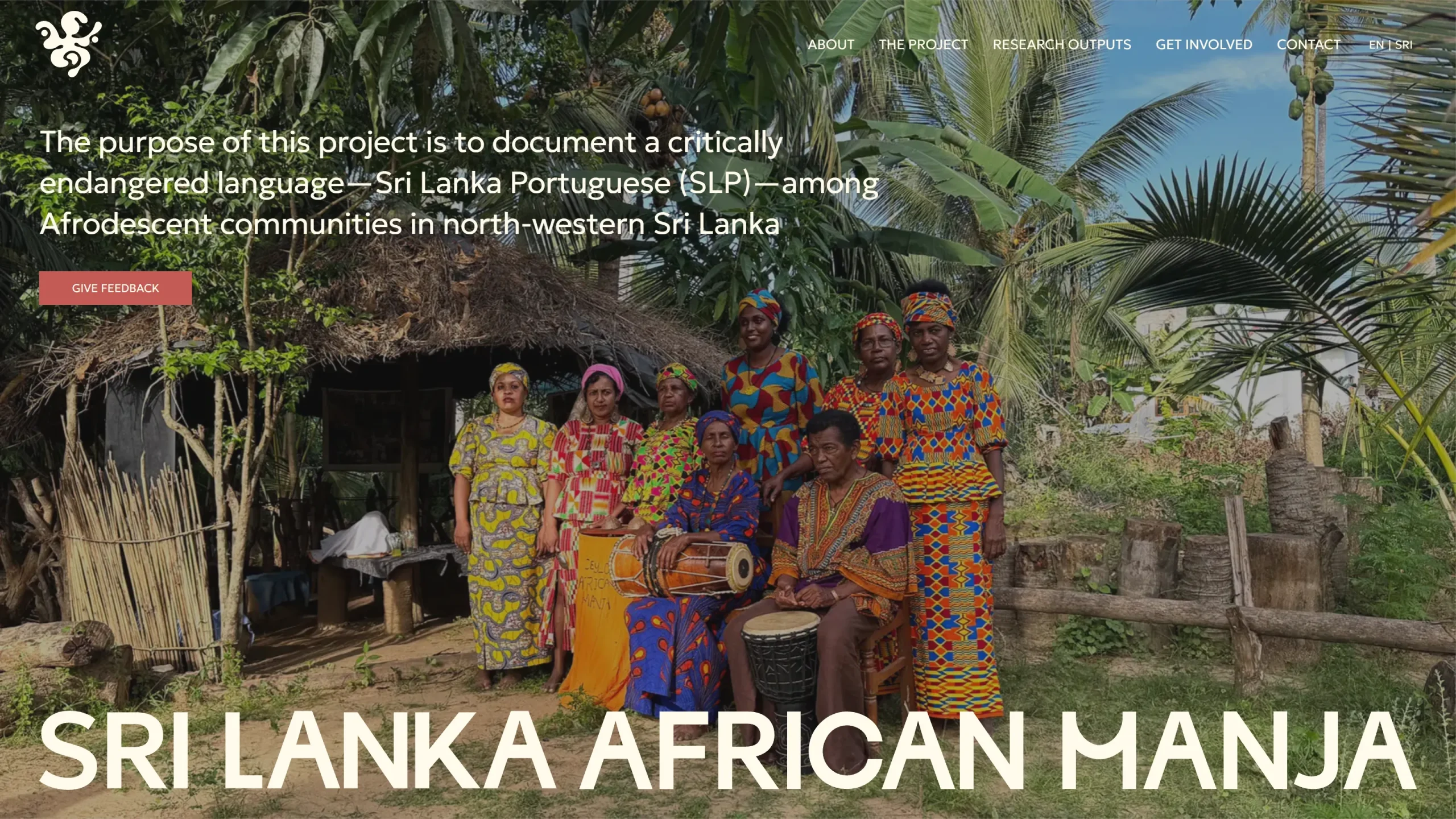
This is a UKRI-funded language documentation project led by Professor Ioanna Sitaridou at the University of Cambridge, working to document a critically endangered language — Sri Lanka Portuguese (SLP) — among Afrodescendant communities in north-western Sri Lanka. The project focuses on manja, the chant-like songs that carry the only remaining linguistic and cultural expression of African heritage for these communities — “Poverty is our plight and manja is our only inheritance,” in the words of the speakers themselves. Combining language documentation, analysis, and historical reconstruction, the project studies language change and contact while helping communities recover, preserve, and share their linguistic history. The website had to communicate all of that — the research, the team, the cultural context, the field-recorded manjas — with the care the subject demands, and stay easy for a multilingual, multicultural research team spanning Cambridge and Maputo to keep current as the documentation grows. In collaboration with Hervik Studio (design), Kukarika delivered a custom WordPress + ACF platform that brings the project narrative, the team bios, the manja video archive, and the academic outputs together into one respectful, citation-ready home.
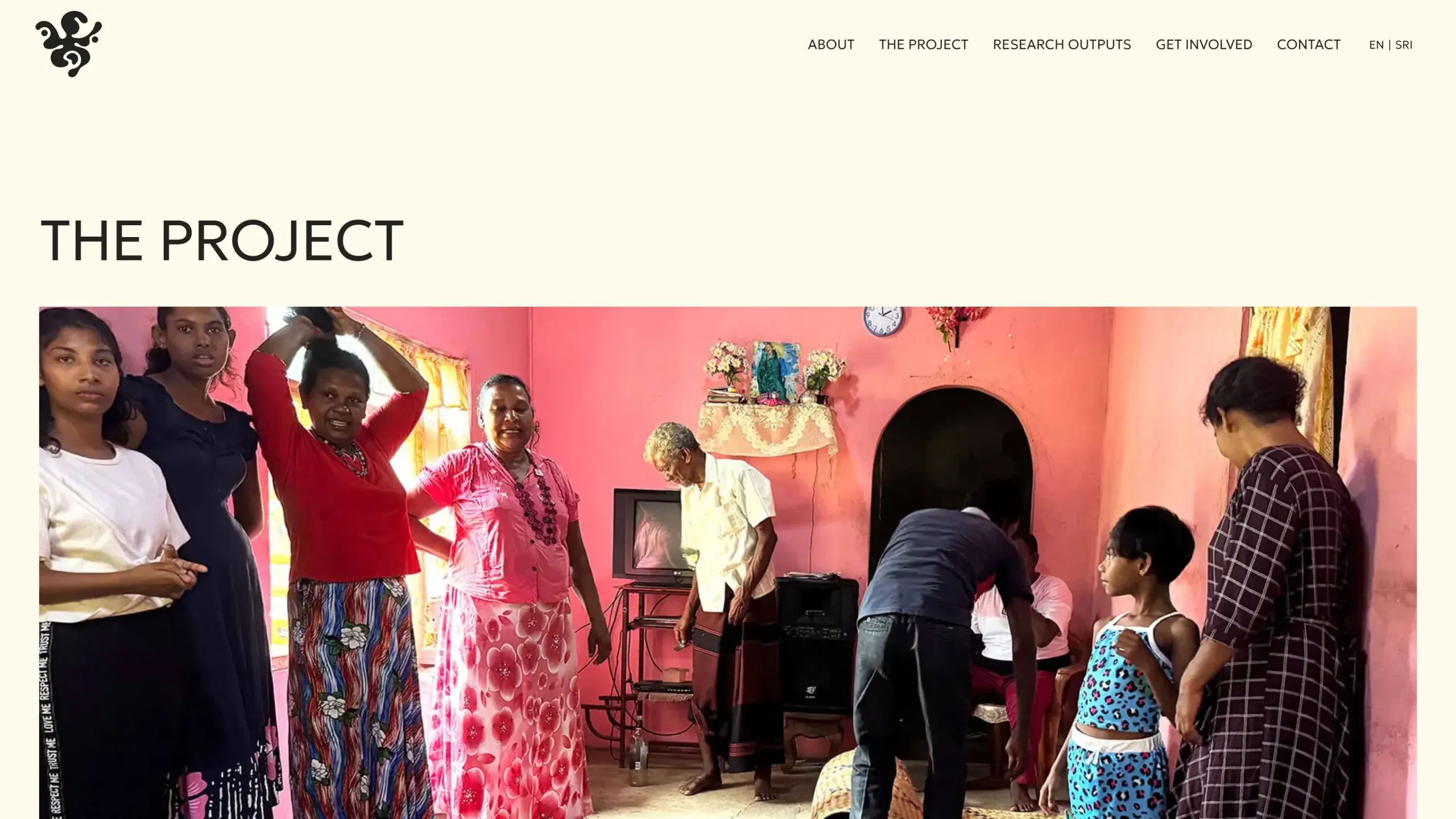
A research project whose subject is a critically endangered language carried in chant-like songs. The site had to read with the care of a field recording — respectful, citation-ready, evidence-led — and serve a multilingual research team without forcing the researchers through a CMS that fights them.
The subject is a community's only remaining link to its African heritage. The site's tone, typography, photography, and pacing all had to read as careful and respectful — not academic boilerplate, not heritage-tourism gloss.
Public-facing narrative alongside citation-ready academic outputs. Both audiences had to be served from the same site without the public copy feeling thin or the academic copy feeling impenetrable.
The manjas filmed in January 2025 are the heart of the documentation. The video archive had to surface the recordings with the cultural context they need — not as a generic YouTube embed wall.
Bios for researchers spanning the University of Cambridge and the Eduardo Mondlane University in Maputo — with deep-linkable per-person URLs so each can be cited and shared from anywhere on the web.
UKRI funding had to be clearly attributed and linked back to the grant reference, alongside the contributing institutions. Visibility matters for academic transparency.
The site has to age well across the project lifetime — stable URLs, structured outputs, clean typography that holds up for long-form academic prose.
A multilingual research team — not developers — needs to publish bios, manja entries, project notes, and academic outputs without engineering involvement.
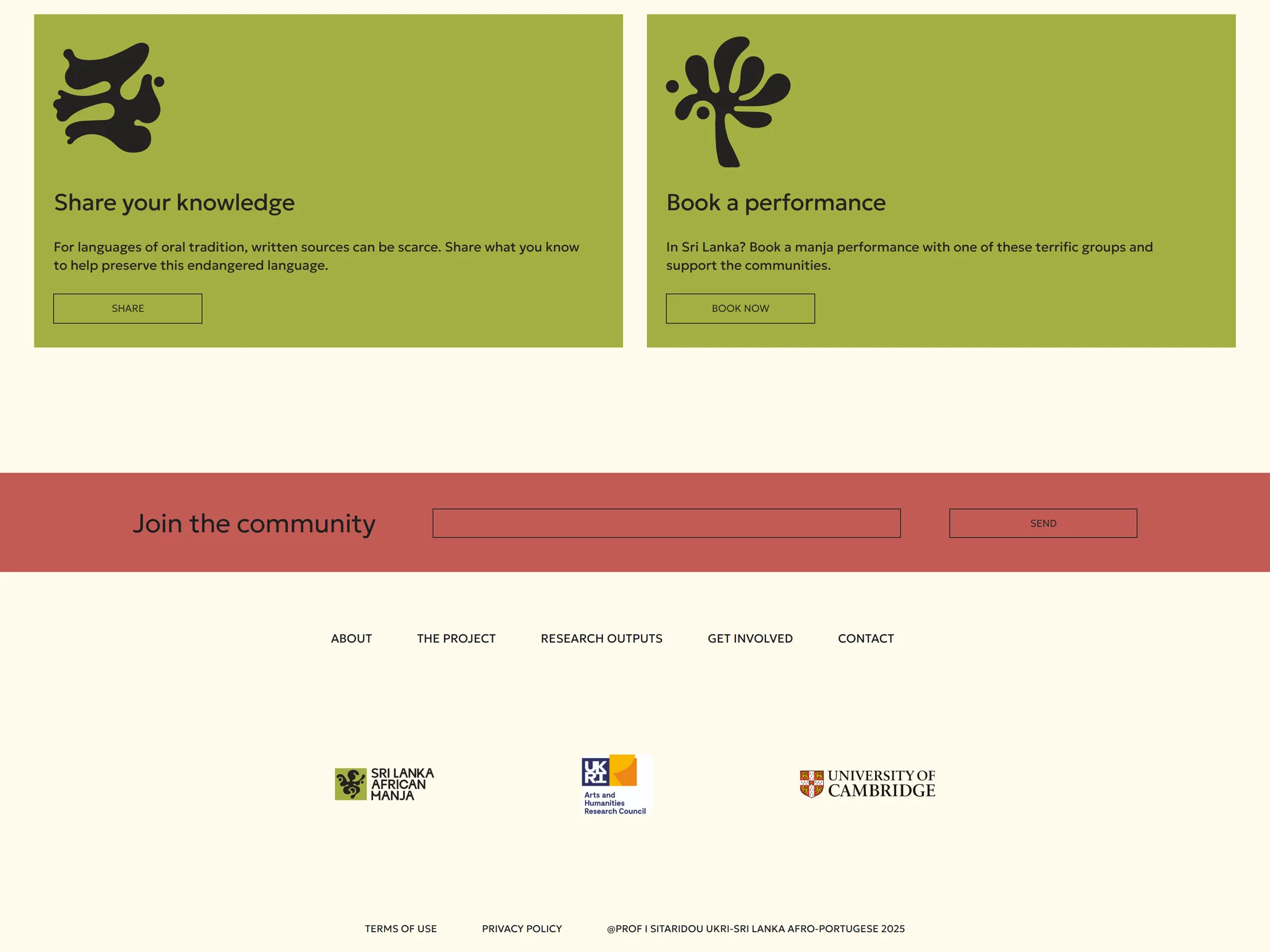
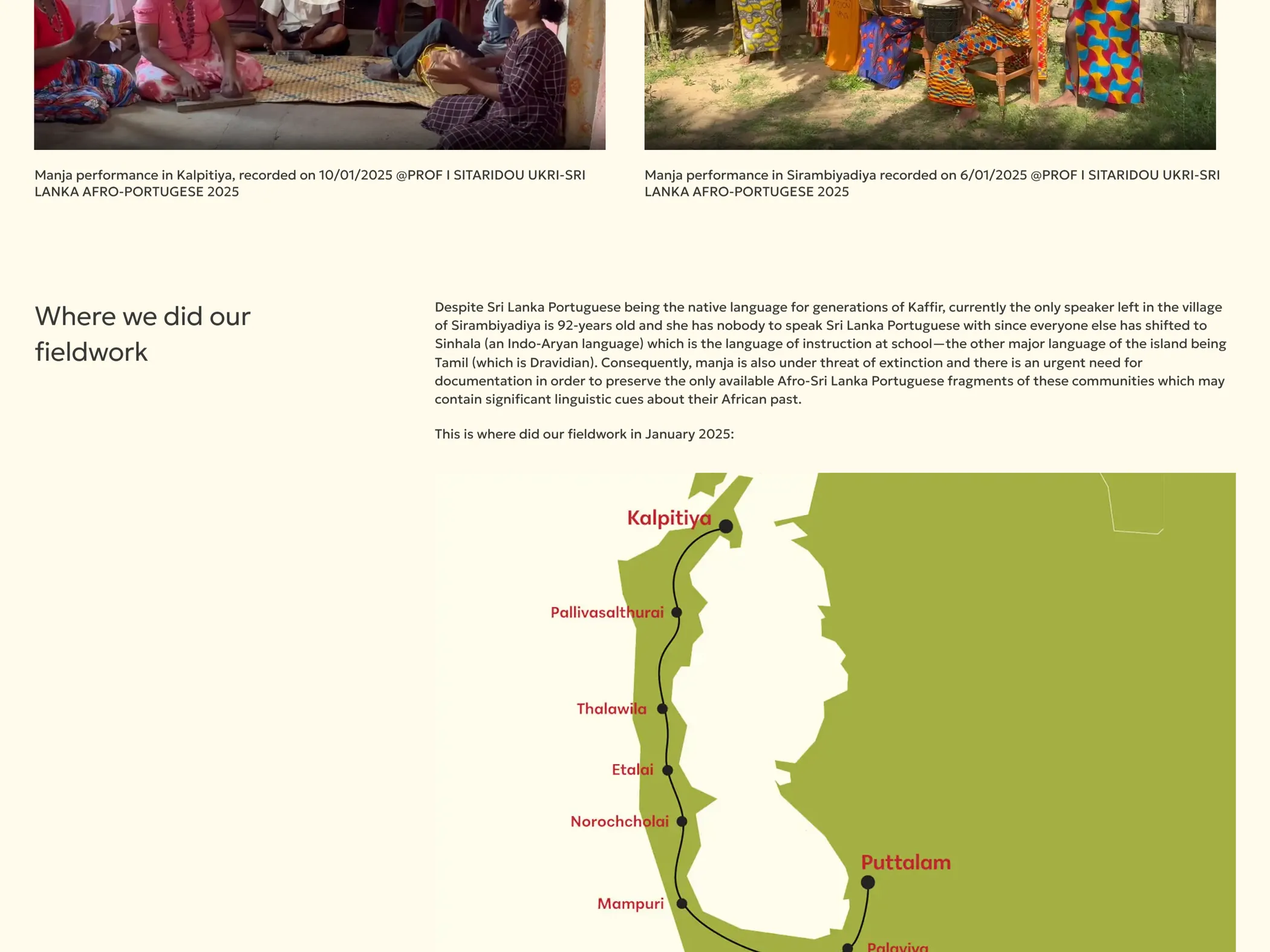
A custom WordPress + ACF platform designed alongside Hervik Studio — restrained typography, image-and-video-led composition, citation-ready structure. Project narrative, manja archive, team bios, and academic outputs each get their own editorial home, and the multilingual research team manages all of it without code.
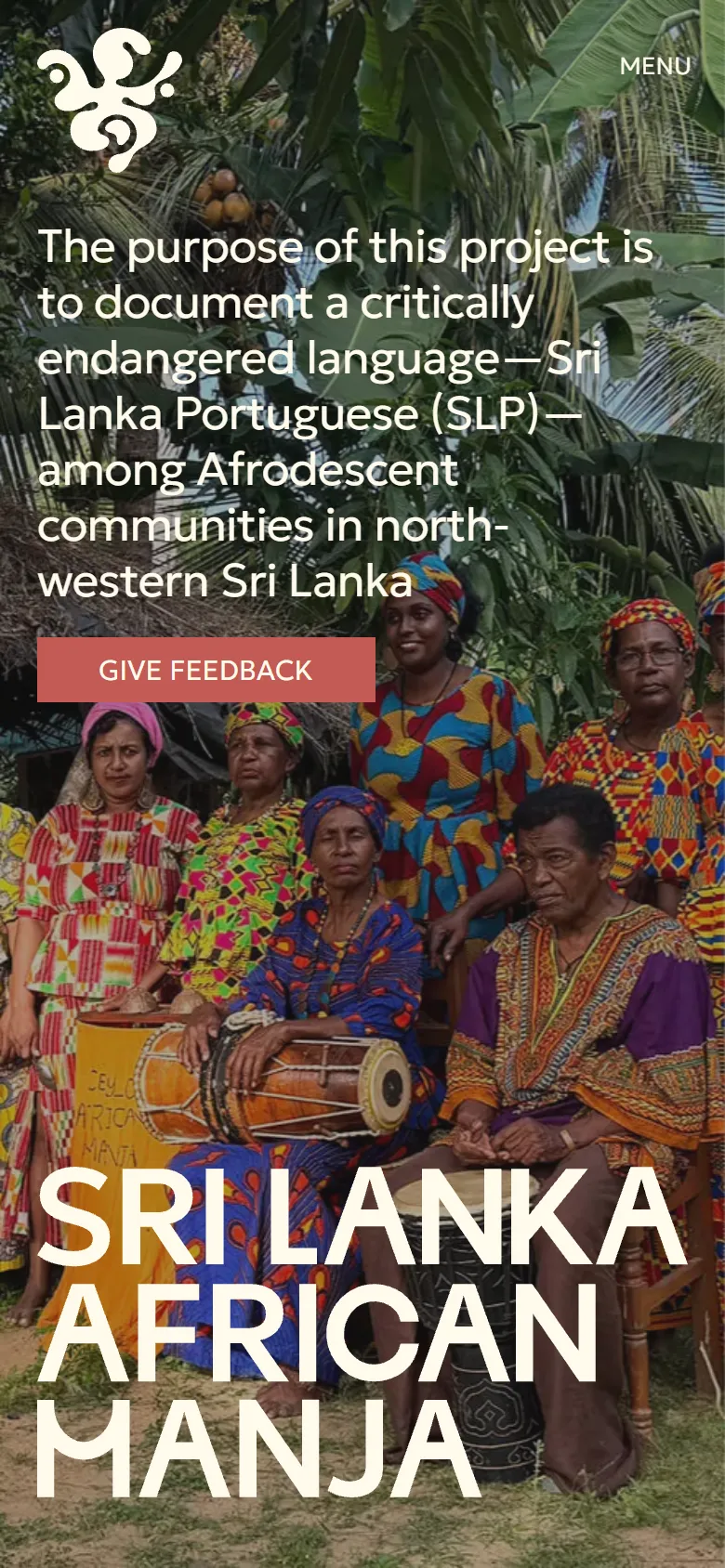
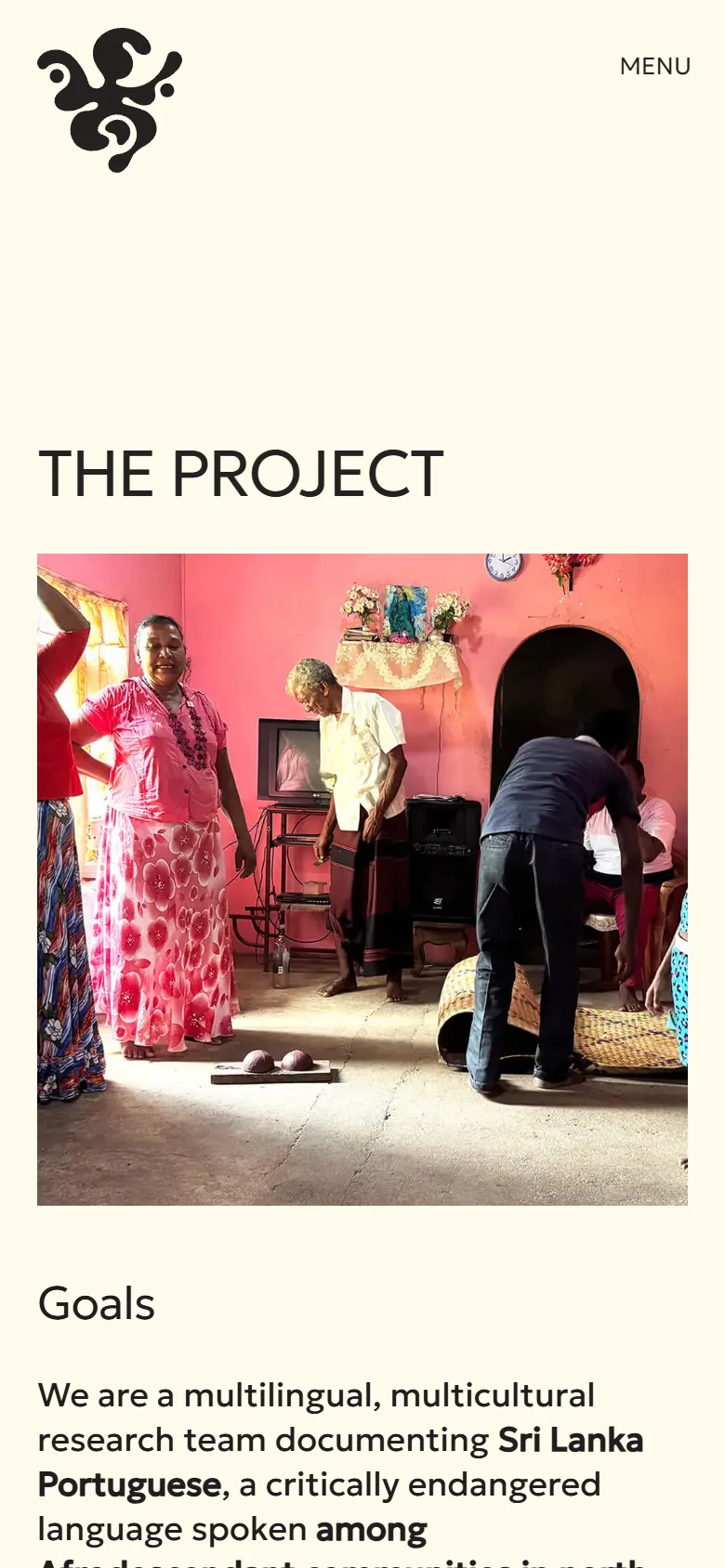
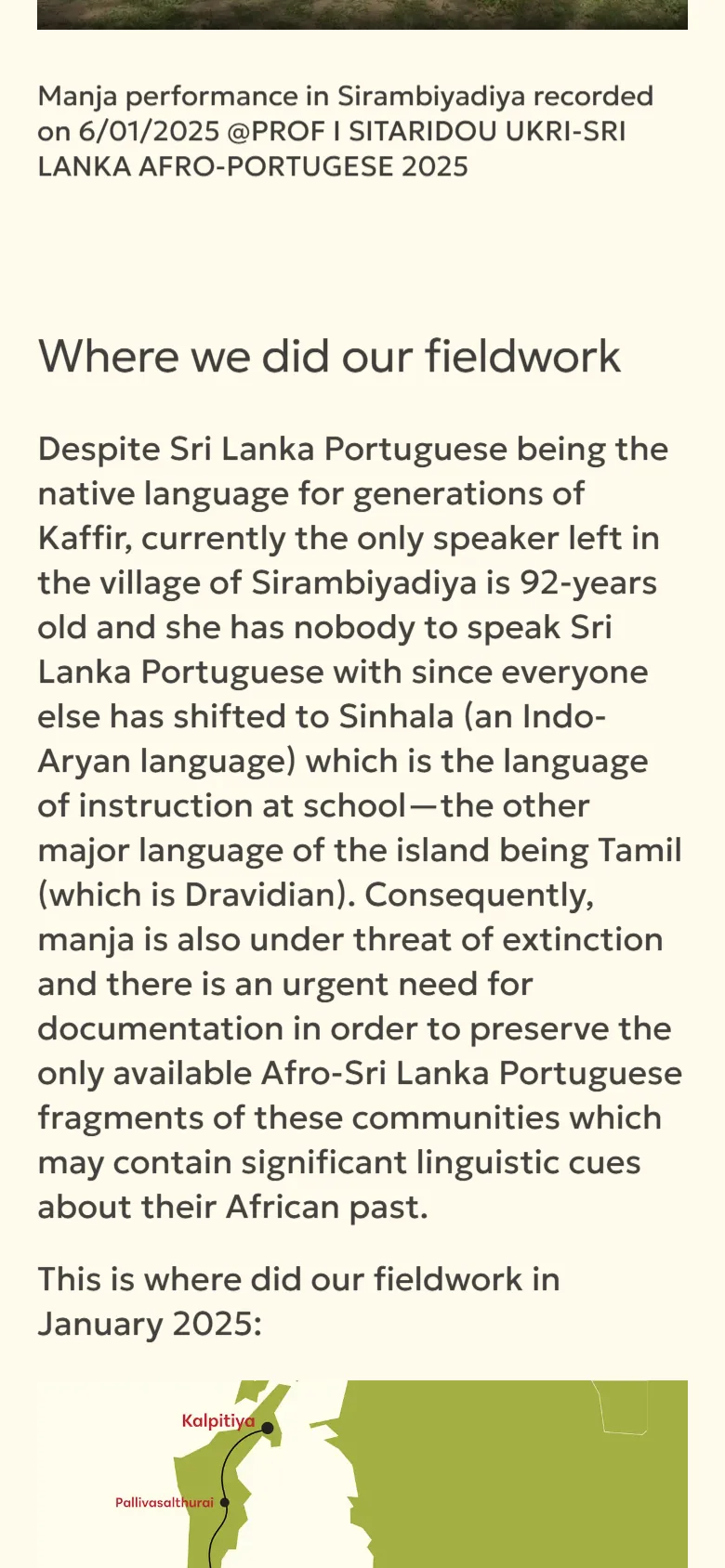
A public research site that reads like the field work — careful, respectful, evidence-led — and a platform a multilingual, multicultural research team runs themselves as the documentation grows.
The project's website is the public-facing extension of careful field work — the same respect for the speaker, the same care for the recording, the same precision in the documentation show up across every page.
With Hervik Studio's visual leadership and Kukarika's WordPress + ACF development, the multilingual, multicultural research team spanning Cambridge and Maputo now has a respectful, citation-ready home where manjas, bios, and academic outputs grow as the project does — and where, in the words of the speakers themselves, the community's only inheritance is given the visibility it deserves.